The Complete Guide
Things to do in Belize, explained simply
Everything below is here to help you choose well and book smart. Read top to bottom, or jump to what matters for your trip.
Snorkeling and diving: the main event
Let's start with the obvious. The Belize Barrier Reef is the reason most people come, and it lives up to the hype. It stretches along nearly the whole coast and ranks as the largest reef in the Northern Hemisphere. Because it sits close to shore, you don't need to be an expert to enjoy it. In fact, you can wade out near Caye Caulker or San Pedro and see fish within minutes.
For first-timers, Hol Chan Marine Reserve is the classic choice. It's a protected cut in the reef where the water teems with rays, turtles, groupers and the odd reef shark. Right beside it sits Shark Ray Alley, where nurse sharks and stingrays gather in shallow water. Guides know exactly where to take you, so even nervous swimmers leave grinning. Meanwhile, serious divers chase the Great Blue Hole, a perfectly round sinkhole that drops more than 400 feet. It's a bucket-list dive, though the scenic flight over it is just as jaw-dropping.
If you only do one thing in Belize, make it a reef trip. Book a morning slot for calmer water and better light. Bring reef-safe sunscreen, since the strong sun reflects off the water. And go with a licensed operator who respects the reef, because protecting it keeps the magic alive.
Maya ruins and ancient history
Belize was once at the heart of the Maya world, and the ruins prove it. There are dozens of sites, and many sit half-swallowed by jungle, which makes exploring them feel like a discovery. Best of all, they're rarely crowded compared to ruins in Mexico or Guatemala.
Xunantunich is the easiest to reach from San Ignacio. You cross the river on a tiny hand-cranked ferry, then climb the El Castillo temple for views that stretch into Guatemala. Caracol is bigger and wilder, hidden deep in the Chiquibul Forest, and its main pyramid is still the tallest building in Belize. Lamanai is special too, since you reach it by riverboat, spotting crocodiles and birds along the way. Each site tells a different chapter, so even history skeptics tend to come away impressed.
Caves and jungle adventures
Inland Belize is all about the jungle, and the Cayo District is its beating heart. The headline act is the ATM Cave, short for Actun Tunichil Muknal. You hike through rainforest, swim across rivers, and squeeze into a sacred Maya cave where ancient pottery and crystallized skeletons still rest where they were left. It's strenuous and unforgettable, and cameras aren't allowed, so you experience it fully.
For an easier thrill, cave tubing is hard to beat. You float on an inner tube through cool, dark caverns, often capping the day with a zip line through the canopy. Families love it, since it's gentle but still feels like an adventure. Beyond that, you can rappel down waterfalls at Bocawina, hike to jaguar territory in the Cockscomb Basin, or join a guided night walk to meet creatures that only stir after dark.
Island life and beaches
When you're ready to slow down, head to the cayes. Ambergris Caye and its town of San Pedro offer the most to do, from reef trips to beach bars to a famous golf-cart ride out to Secret Beach. It's lively, social and easy. Caye Caulker, just south, is its smaller, cheaper sister. There are no cars, the motto is literally "Go Slow," and a swim at The Split followed by fresh lobster is a perfect afternoon.
On the mainland, Placencia delivers sixteen miles of golden sand and a relaxed peninsula vibe. It's also the launch point for whale shark season and Garifuna culture in nearby Hopkins. Wherever you land, the islands are where Belize trips wind down and the memories settle in.
Food, culture and the little moments
Belize punches above its weight on food and culture too. The country blends Creole, Garifuna, Mestizo, Maya and more, all speaking English with a warm Caribbean lilt. Start your day with fry jacks, fluffy fried dough you stuff with eggs or beans. For lunch, order rice and beans with stew chicken, a national staple. Down south, try hudut, a Garifuna fish stew rich with coconut and mashed plantain. Wash it all down with a cold Belikin, the local beer.
Don't rush past the small things either. Watching howler monkeys at dawn, sipping coconut water on a dock, or chatting with a guide about island life often becomes the trip's best memory. Belize rewards travelers who slow down and pay attention, which is exactly what the locals will tell you to do.
Sample itineraries to copy
Not sure how to fit it together? Here are three easy frameworks. For a 5-day trip, spend two nights in San Ignacio for ruins and caves, then three nights on Caye Caulker for reef and rest. For a 7-day trip, add a day for a Blue Hole or whale shark excursion, plus an extra island day. For 10 to 14 days, work in Placencia and the Hummingbird Highway, then end with slow island time. Use the planner above to drop these activities into your own day-by-day list.
However you build it, balance is the secret. Alternate a big adventure day with an easy beach day, so you don't burn out. Belize is small enough that you can do a lot, yet relaxed enough that you shouldn't try to do everything. Leave a little room to wander, and the country will fill it.
Getting around without stress
Belize is compact, so moving around is simpler than you'd think. Domestic flights link Belize City, San Pedro, Caye Caulker and Placencia in minutes, which is worth it when time is tight. Water taxis run regularly between the city and the islands. Inland, many travelers rent a 4x4 to chase ruins and waterfalls at their own pace, while local buses offer a cheap, colorful way to see daily life. On the islands themselves, you'll mostly walk, bike, or zip around in a golf cart.
One tip that saves headaches: build a little buffer into travel days, especially in green season when weather can delay boats. Keep your plans flexible, and a hiccup becomes a non-issue. That relaxed mindset is the whole point of a Belize vacation anyway.
Hidden gems and off-the-beaten-path picks
The famous spots earn their fame, but Belize hides quieter treasures too. If you want fewer crowds, these are worth seeking out. Crooked Tree Wildlife Sanctuary is a birder's paradise, home to thousands of native and migratory birds across a network of lagoons. The Community Baboon Sanctuary protects black howler monkeys, and you can often see them up close on a short guided walk. Both feel a world away from the busy cayes.
For nature lovers, the Mountain Pine Ridge Forest Reserve trades palm trees for cool pine forest, waterfalls and the chance to spot wildcats. The Maya King and Big Rock waterfalls reward a short hike with refreshing jungle pools. Out at sea, Tobacco Caye and the remote southern atolls offer castaway-style snorkeling with barely another soul around. Add one of these to your plan, and you'll come home with stories most visitors never get.
Even on the popular islands, you can find quiet. Rent a bike on Caye Caulker and pedal to the less-visited north side. Walk the back streets of San Pedro for local food stalls. The point is simple: a little curiosity goes a long way in Belize, and the country rewards it generously.
Belize for every kind of traveler
One reason Belize works so well is that it bends to fit your style. Families love it because English is spoken, the activities are gentle, and the Belize Zoo, cave tubing and shallow snorkeling all suit kids. Many parents say it's an easier tropical trip than Hawaii, with a short flight from the southern US and no currency headaches.
Couples find easy romance in sunset sails, jungle lodges and quiet beaches in Placencia. Adventure seekers get caves, reefs, zip lines and ruins all within a few hours of each other. Budget travelers stretch their money on Caye Caulker, local buses and street food, while luxury travelers have boutique jungle lodges and island resorts to choose from. Whoever you are, there's a version of Belize built for you.
How Belize compares to nearby destinations
People often weigh Belize against Costa Rica, Mexico or Hawaii, so here's the honest take. Compared to Costa Rica, Belize is smaller and easier to cover, with a stronger reef and the bonus of Maya ruins, though Costa Rica edges ahead on volcanoes and dense wildlife. Compared to Mexico's Riviera Maya, Belize is less developed and far less crowded, which is the whole appeal for many visitors. And compared to Hawaii, Belize is more affordable and quicker to reach from much of the US, while still offering that warm, English-speaking, easy-travel feel.
The bottom line is that Belize gives you a remarkable mix in one compact, friendly package. You get a top reef, real adventure, deep history and laid-back islands without the polish, the crowds or the price tag of the big-name destinations. For a lot of travelers, that's exactly the trade they're looking for.
Final advice before you book
Here's the short version of everything above. Pick one jungle base and one island base, then build your days around a few must-do experiences and plenty of downtime. Book the big-ticket tours ahead in busy season, and stay flexible in green season. Eat local, support local guides, and protect the reef. Most of all, lean into the "Go Slow" mindset, because the people who rush through Belize miss its best moments. Use the planner above, lock in your favorites, and get ready for one of the easiest great trips you'll ever take.
Best time to visit Belize, month by month
The right month depends on what you want. December and January bring the biggest crowds and the highest prices, but also the most reliable weather and the liveliest island scene. February and March offer those same great conditions at a slightly calmer pace, which makes them a sweet spot for many travelers. April is excellent too, though Easter week spikes in popularity, so plan around it.
May is a quiet shoulder month with strong weather and lower rates, ideal if you want value without much rain. June starts the green season, bringing afternoon showers, lush jungle and noticeably better prices. July and August stay warm and busy with summer families, and August is often the cheapest month of the year. September and October are the wettest and carry the highest hurricane risk, so they suit flexible, budget-focused travelers who lean on inland trips. November dries out again and offers great value before the December rush returns.
One more thing worth timing: whale shark season at Gladden Spit runs roughly from March through June, around the full moon. If swimming beside the ocean's biggest fish is on your list, plan your trip to match. Otherwise, almost any month works, since there's truly no bad time to visit Belize.
Free and budget-friendly things to do
You don't need a big budget to enjoy Belize. Plenty of the best experiences cost little or nothing. Swimming at The Split on Caye Caulker is free, and so is wandering its sandy streets at sunset. Many beaches are open and easy to reach, and a day of sunbathing and swimming costs only what you spend on a fruit smoothie. Walking the colorful streets of San Ignacio or exploring a local market gives you culture for free.
To stretch your money further, ride the local buses instead of private transfers, and eat where locals eat. A plate of rice and beans or a stack of fry jacks costs just a few dollars and tastes fantastic. Book guides directly when you can, and travel in green season for lower rates across hotels and tours. With a little planning, Belize becomes far more affordable than its reputation suggests, and you still get the reef, the ruins and the jungle that make it special.
What to pack for Belize
Packing for Belize is easy once you know the rhythm of the trip. You'll move between hot jungle and bright beaches, so light, quick-dry clothing wins every time. Bring a swimsuit or two, since you'll be in and out of the water constantly. Water shoes protect your feet on rocky reef entries and slippery cave floors, and they're worth the space in your bag. A light rain jacket helps in green season, when afternoon showers roll through fast and clear just as quickly.
For sun and bugs, pack reef-safe sunscreen and a good insect repellent, because the tropical sun and jungle mosquitoes are both no joke. A dry bag keeps your phone and camera safe on boat days and cave trips. Don't forget a reusable water bottle, a hat, and polarized sunglasses for the glare off the water. Finally, carry some small US or Belize bills for buses, tips and roadside food, since not every village takes cards. Pack smart, travel light, and you'll spend less time fussing and more time exploring.
A country that's easy to love
What stays with people after a Belize trip is rarely just one big attraction. It's the feeling of the place. It's the guide who shares a childhood story while you climb a temple. It's the howler monkeys waking you at dawn, the smell of grilled lobster on the beach, and the slow grin you get when you finally stop checking the clock. Belize makes that kind of unwinding feel natural, almost inevitable.
So plan your activities, sure. Build your bucket list with the tool above and lock in the experiences that excite you. Then leave space for the country to surprise you, because it will. Few destinations pack this much variety into such a friendly, easygoing package. Whether you have five days or fifteen, Belize gives you a trip that's big on adventure and refreshingly low on stress. Now go build your list, and we'll see you on island time.
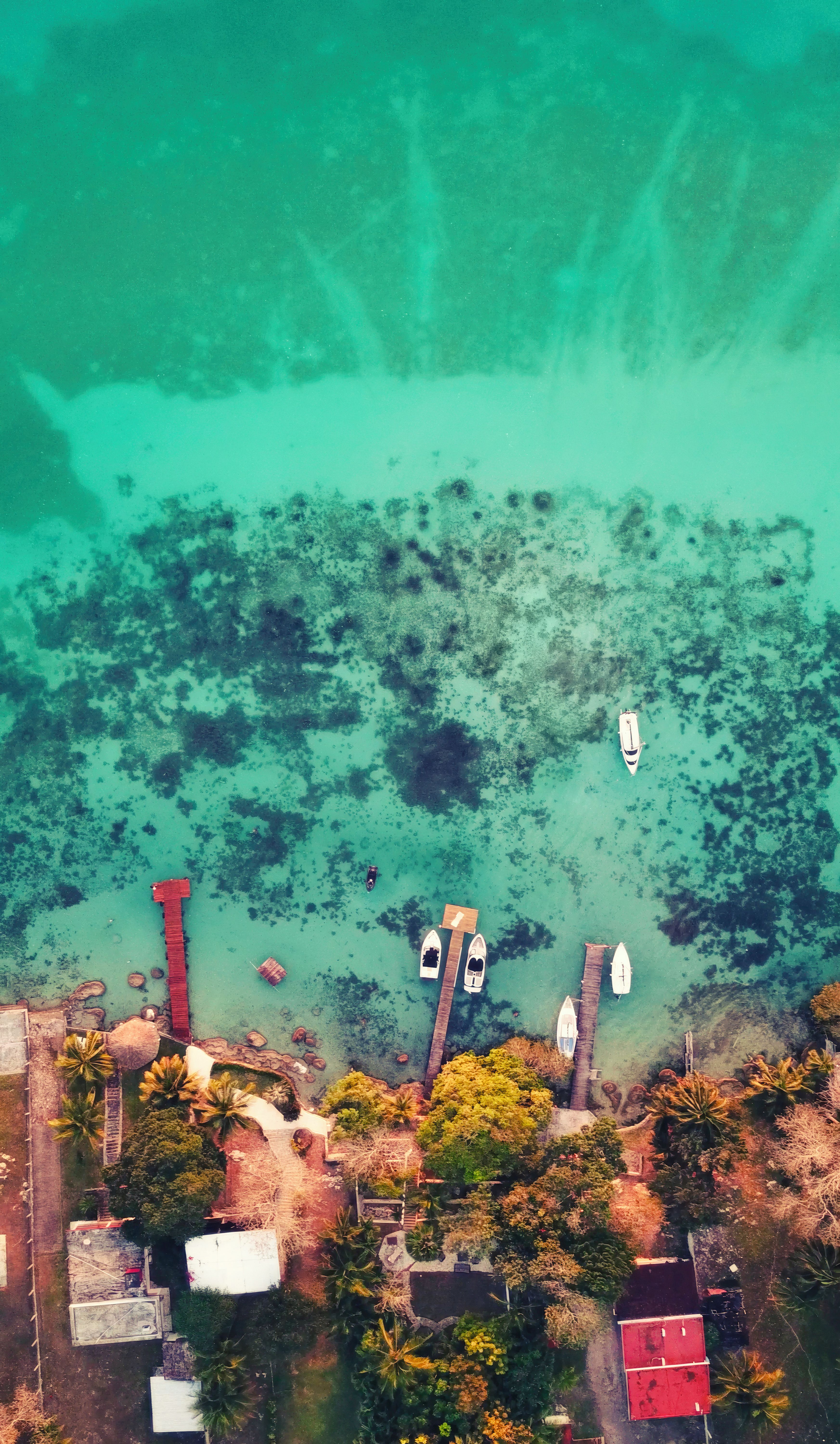 Caribbean reef
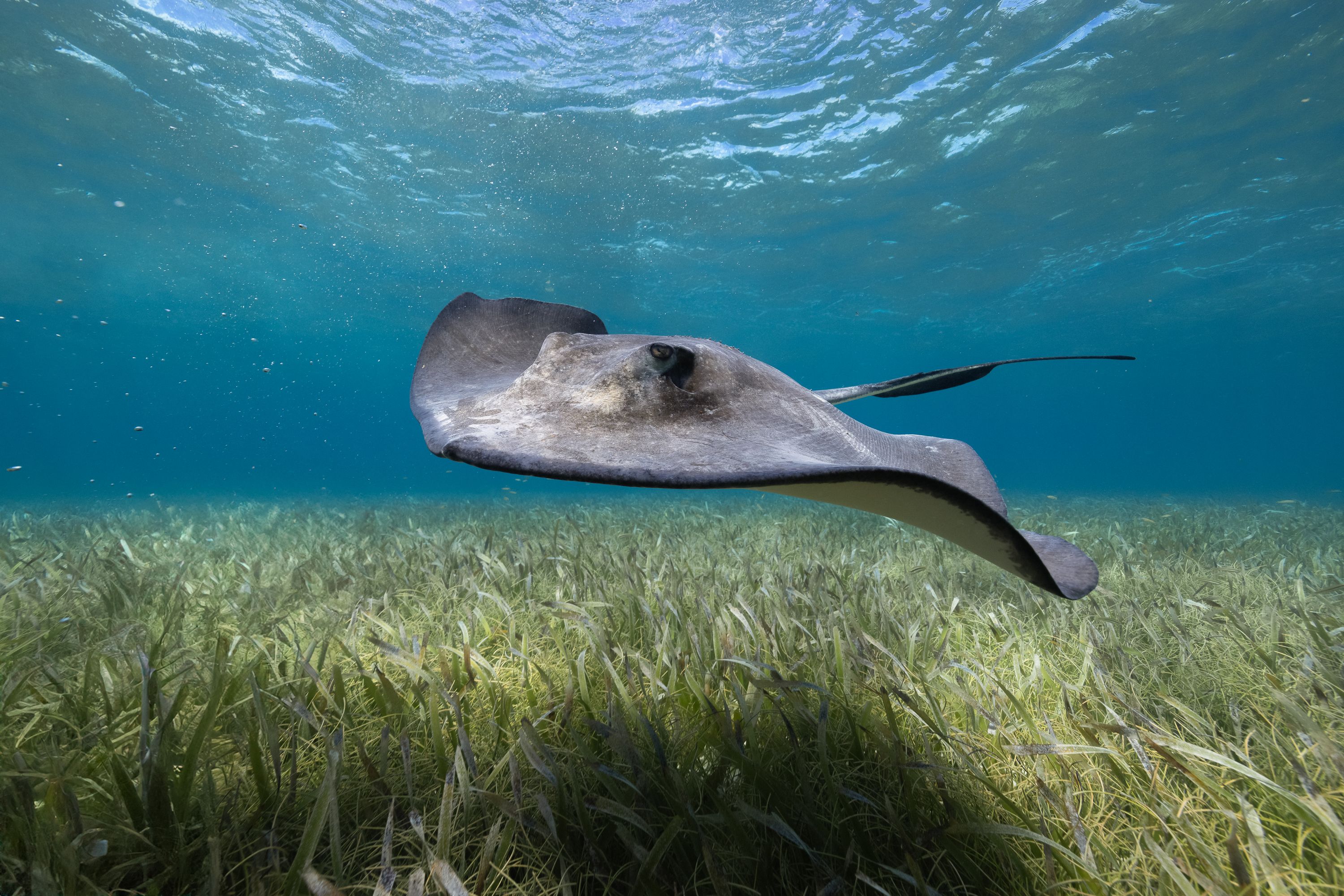 Shark Ray Alley
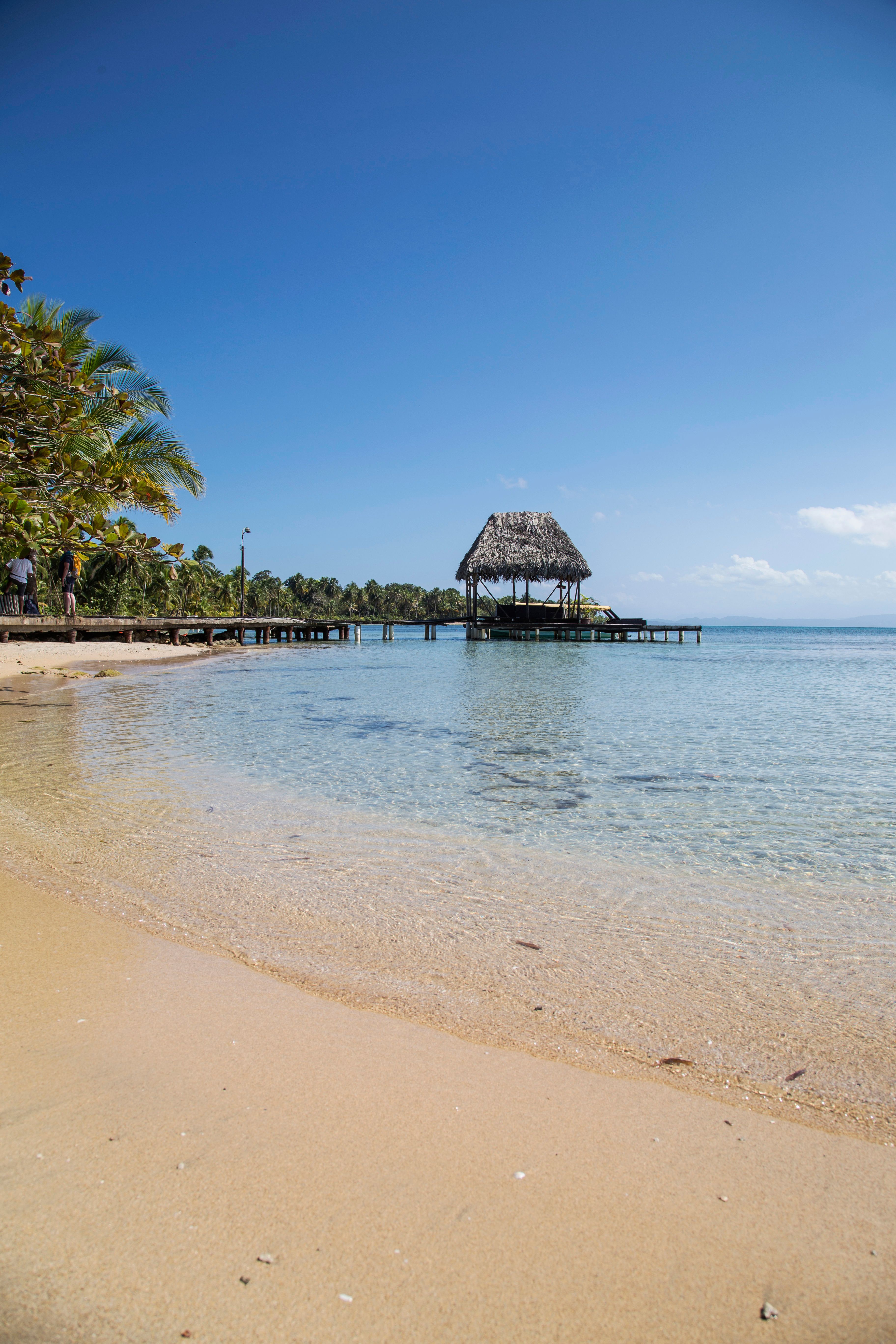 Island life